
David Keane, a globally experienced LNG executive and advisor, told directors of the First Nations Natural Gas Alliance that projects built in genuine partnership with Indigenous communities hold a clear competitive advantage in today’s global LNG market:
Speaking during an online presentation to the Alliance’s board, Keane emphasized that Canada remains uniquely positioned to develop a world-class LNG export industry on both the West and East Coasts, provided projects advance with urgency, clarity of purpose, and early Indigenous leadership.
“Canada has a credible, large-scale energy opportunity,” Keane said. “But the window is not unlimited. The leadership in this room will help determine how the next generation of LNG projects is shaped on Canada’s West Coast.”
That perspective is grounded in more than four decades of global energy experience. Keane previously served as President of Woodfibre LNG and CEO of the BC LNG Alliance, and most recently led policy and corporate affairs at NextDecade Corporation, developer of the Rio Grande LNG project in Texas, a US$30-billion export facility designed to produce up to 48 million tonnes of LNG per annum (MTPA). By comparison, LNG Canada’s Phase 1 facility in Kitimat produces 14 MTPA, with a proposed Phase 2 expansion increasing capacity to 28 MTPA.
Building on that experience, Keane told Alliance directors that governments, industry, and Indigenous Nations increasingly share a common objective: advancing responsible LNG development while identifying new project opportunities and attracting global investment to Canada.
He pointed to lessons learned from Rio Grande LNG, where early engagement with the Lipan Apache Tribe helped shape the project’s development. Their support was rooted
in shared priorities – economic opportunity, environmental responsibility and climate awareness, and strengthened by the project’s commitment to reducing emissions.
“That experience reinforced a lesson I learned long ago,” Keane said. “Early Indigenous partnership is not optional, it is essential.”
Today, Keane advises developers that active listening, transparency, and co-development with Indigenous Nations are fundamental to project success. When trust is established early, projects face less conflict, achieve stronger social license, and deliver better long-term outcomes.
“I often remind project developers that while they are prepared to invest hundreds of millions of dollars in engineering, financing, and regulatory approvals, far less attention is typically given to building strong relationships with local and Indigenous communities.
“That mindset must shift. Early, meaningful, partnership is not a cost centre, it is a value-driver. Investing in trust, transparency and Indigenous and community partnership from the outset reduces risk, shortens timelines, and creates more durable outcomes. Projects succeed when people are placed at the centre of development.”
Keane also points to Canada’s unique advantages, including access to clean hydroelectric power. Regardless of shifting political dynamics in the United States, buyers in Asia and Europe remain focused on lowering emissions and strengthening social performance across their energy supply chains.
“Reducing greenhouse gas emissions matters to everyone involved, project developers, Indigenous Nations, local communities, and financial institutions alike. For lenders and investors in particular, lower-carbon projects with strong community alignment represent reduced risk and stronger long-term value.”
Keane recalls a conversation with a federal MP who suggested Canada should not pursue LNG development because of net-zero commitments. Keane’s response was simple:
“Global emissions are what matter. Much of the pollution affecting British Columbia originates overseas. Developing some of the world’s lowest-carbon LNG in B.C., powered by clean electricity, creates jobs and economic opportunity at home while helping importing countries displace coal and reduce overall emissions. That approach delivers far greater impact on global emissions than standing on the sidelines.”
Keane also highlights Canada’s geographic advantage: LNG shipments from Canada’s West Coast reach key Asian markets such as Japan nearly two weeks faster than cargoes departing from the U.S. Gulf Coast. That time savings is meaningful: LNG carriers typically cost well over $100,000 per day to operate, making shorter shipping routes a material economic advantage for Canadian projects and buyers alike.
Finally, Keane notes that both federal and provincial governments are currently
supportive of advancing major infrastructure projects.
“We have alignment across governments, strong global demand, and a compelling value proposition for Canadian LNG,” he says.
“The conditions are right, now is the time to seize this opportunity and move forward with purpose.”
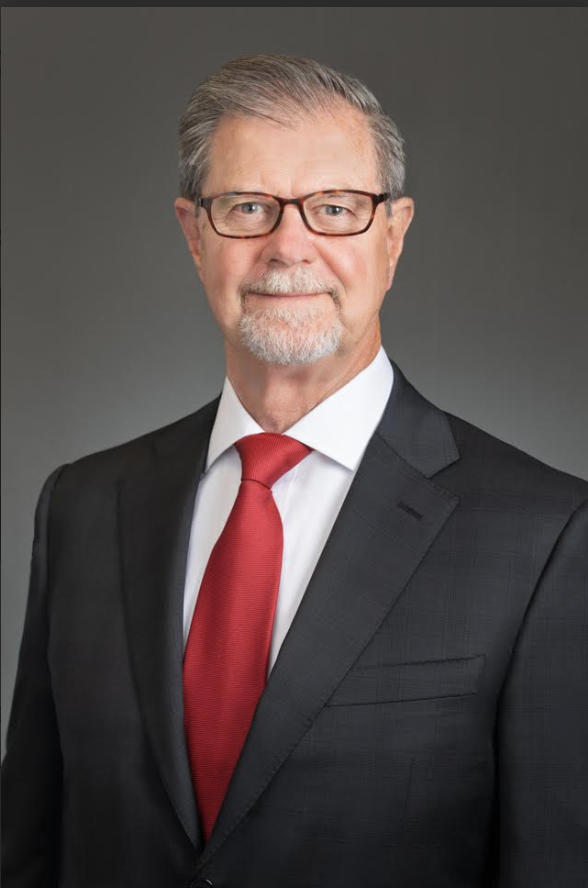
David Keane
(Posted here 08 February 2026)
