
And for First Nations and communities, too
If you’re having trouble paying the bills, would you rather turn down the thermostat, cut back on groceries for your family, and delay the repair of your leaky roof? Or would you prefer to make more money so that you could sustain your way of life?
Most would say “make more money!”
The province of BC is having trouble paying the bills right now, with revenues falling behind the pace of expenditures. But one of the few bright spots in our government’s finances is natural gas and LNG.
Over the next three years, provincial natural-gas revenues are forecast to increase by 66% to almost $1.6 billion.
That’s at a time when other revenue sources are flat or declining, and BC is looking at taxpayer-supported debt reaching $142.9 billion in 2026-27.
(And, as the small-c conservative Fraser Institute points out, interest costs on the public debt are projected to reach $6.4 billion in 2026-27.)
The natural-gas outlook could in the end be even better, as the budget forecast does not include the impact of potential massive investments such as Phase 2 expansion of LNG Canada’s plant in Kitimat. The decision on that could come in the third quarter of this year.
LNG Canada now has shipped out 52 cargoes of LNG and should hit No. 57 around mid-March. The Canadian Association of Petroleum Producers tells us that each cargo is worth approximately $59 million — and governments at all levels collect revenue at various stages of the process, from royalties on natural gas to taxes on companies and their workers.
This year could also bring a green light for the Ksi Lisims LNG project on Nisga’a Nation lands. As well, the Haisla Nation’s Cedar LNG project is under construction, and so is the Woodfibre LNG project, with the Squamish Nation as a partner and regulator.
On top of this, Prime Minister Mark Carney’s latest visit to India has brought hopes of sales of LNG and LPG to India (as well as uranium) and the PM confirmed “Canada’s stated goal of producing 50 million tonnes of LNG per year by 2030 and up to 100 million tonnes by 2040.”
Almost all of the natural gas for LNG Canada and others comes from within BC.
That means more natural-gas revenue for the province. BC is Canada’s second-largest producer, and we have world-class reserves of natural gas in BC that can support a significant expansion in LNG exports and meet our domestic needs.
Now is the time to get the most out of our natural resources, especially when ‘You Know Who’ is in charge in the United States. Exporting LNG is helping Canada diversify its exports and become more resilient in this political and economic climate.
The rosy outlook for natural-gas revenues is good for First Nations and communities too. It’s not just the direct royalty and tax revenue that is positive; it’s also the jobs and the investment that keeps workers and businesses busy.
The impact of natural gas on the province’s books, and in our communities, goes way beyond resource revenue, for many First Nations have become equity owners. Whether it’s the Haisla and their Cedar LNG project, Ksi Lisims and the associated PRGT pipeline, or the First Nations that have equity options on pipeline corridors, Indigenous people are participating and sharing in the benefits, with all British Columbians.
The province is also rolling out its First Nation Equity Financing Program, announced in 2025, that will be supporting financing opportunities for First Nations to have meaningful participation in projects.
Combined with the federal Indigenous Loan Guarantee program, expect to see more Indigenous natural-resource development, such as natural gas, that will generate more jobs and revenues.
While the province continues to work to get a handle on its finances, it can count on natural gas, and the many First Nations and communities that participate in the industry, to warm the fiscal coffers and keep the lights on in government buildings across BC.
Whether we face challenging times with our household finances or our provincial finances, it’s always good to see a ray of good news break through the grey clouds.
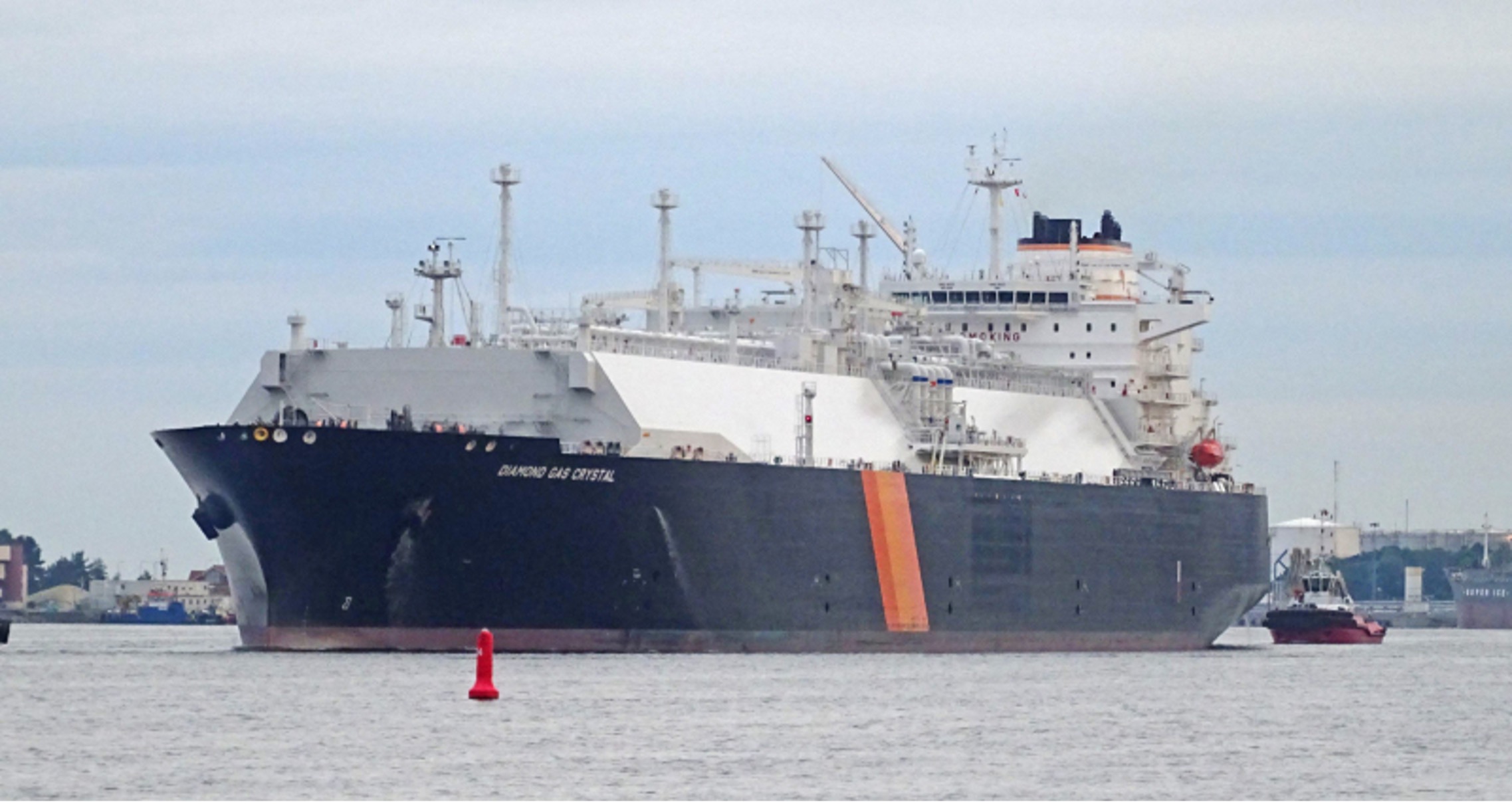
The LNG carrier Diamond Gas Crystal is en route today from LNG Canada to Japan.
(The vessel is named in honour of Crystal Smith, former elected chief councillor of the Haisla Nation, who was pivotal in advancing Cedar LNG. She is a former chair of our Alliance, and now is its special advisor on external relations.)
(Posted here 04 March 2026)
