Our newsletter, 09 April 2026
Federal outlook bright for LNG exports
After 10 years of federal reluctance to push energy exports, the government of Prime Minister Mark Carney has been signalling things will change.
And now comes a new outlook from the Canada Energy Regulator that sees our natural-gas use, driven by LNG exports, growing by 47 per cent by 2050, and perhaps as much as 75 per cent.
The federal agency’s new “scenarios” envisage a future that includes such numbers as these:
- Energy demand could be 12 per cent higher by 2050 (although as much as 10 per cent lower if Canada looks for ‘Canada Net-zero’ by improving energy efficiency and adopting more efficient electric technologies).
- Natural-gas production increases in all scenarios, from a record high of 18.3 billion cubic feet a day (Bcf/d) in 2024. Growth could hit as much as 32 Bcf/d in 2050 (up some 75 per cent from 2024). And even in the most optimistic scenarios output could still be around 21 Bcf/d in 2050, up by close to 15 per cent from 2024.
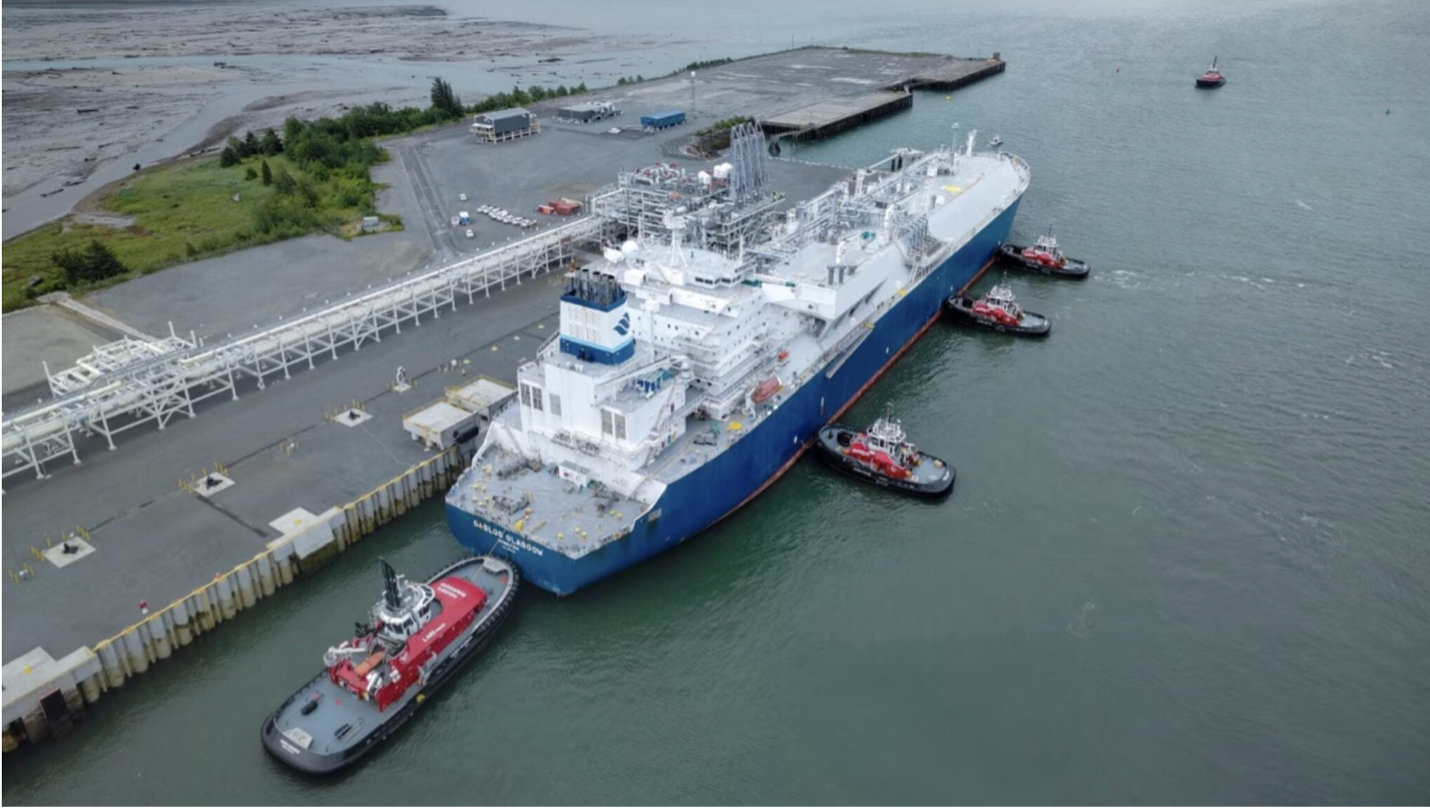
(The photo above: The LNG carrier Gaslog Glasgow at LNG Canada for the first export cargo, which left on June 30, 2025)
- Read our blog: https://bit.ly/4s7s7gE
Building toward a self-sustaining nation
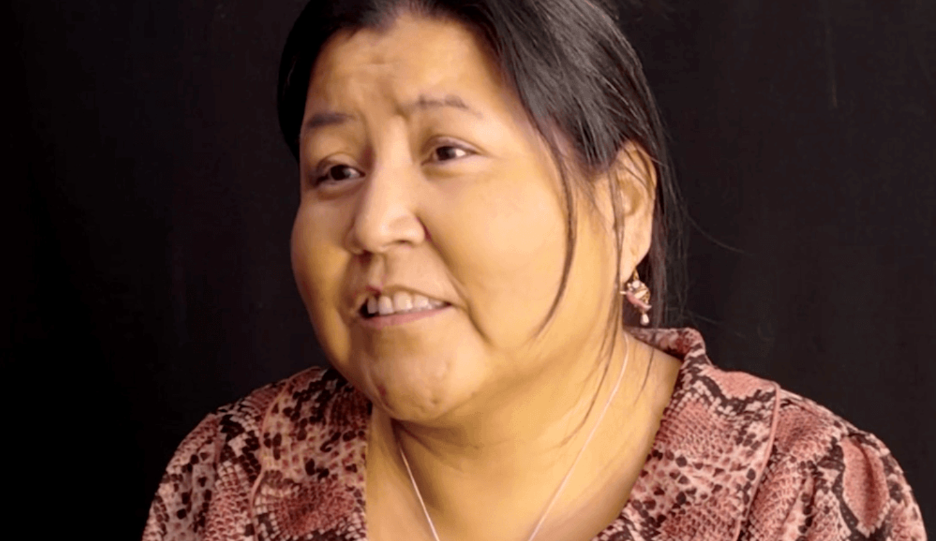
Chief Valerie Askoty of Prophet River First Nation in BC sees a seat at the natural-gas table as one of the building blocks toward a self-sustaining nation.
Without the natural gas located in her region in northeast BC, there is no LNG industry for British Columbia.
The industry has forgd a respectful and cooperative relationship with the Nation. When a project proposal that bypassed proper consultation was challenged by Chief
Askoty herself, that sparked a new era of dialogue and partnership.
Askoty says her nation now is on a positive path, reviving its culture and balancing modern industry with ancient traditions.
She is vice-chair of our First Nations Natural Gas Alliance and is currently acting chair.
- Read more: https://bit.ly/3O5bHYb
- Earlier story: https://bit.ly/4saeq0x
LNG supports community programs
LNG developers in BC have long been involved in, and supporting, programs in the communities in which they work and produce LNG.
Some examples:
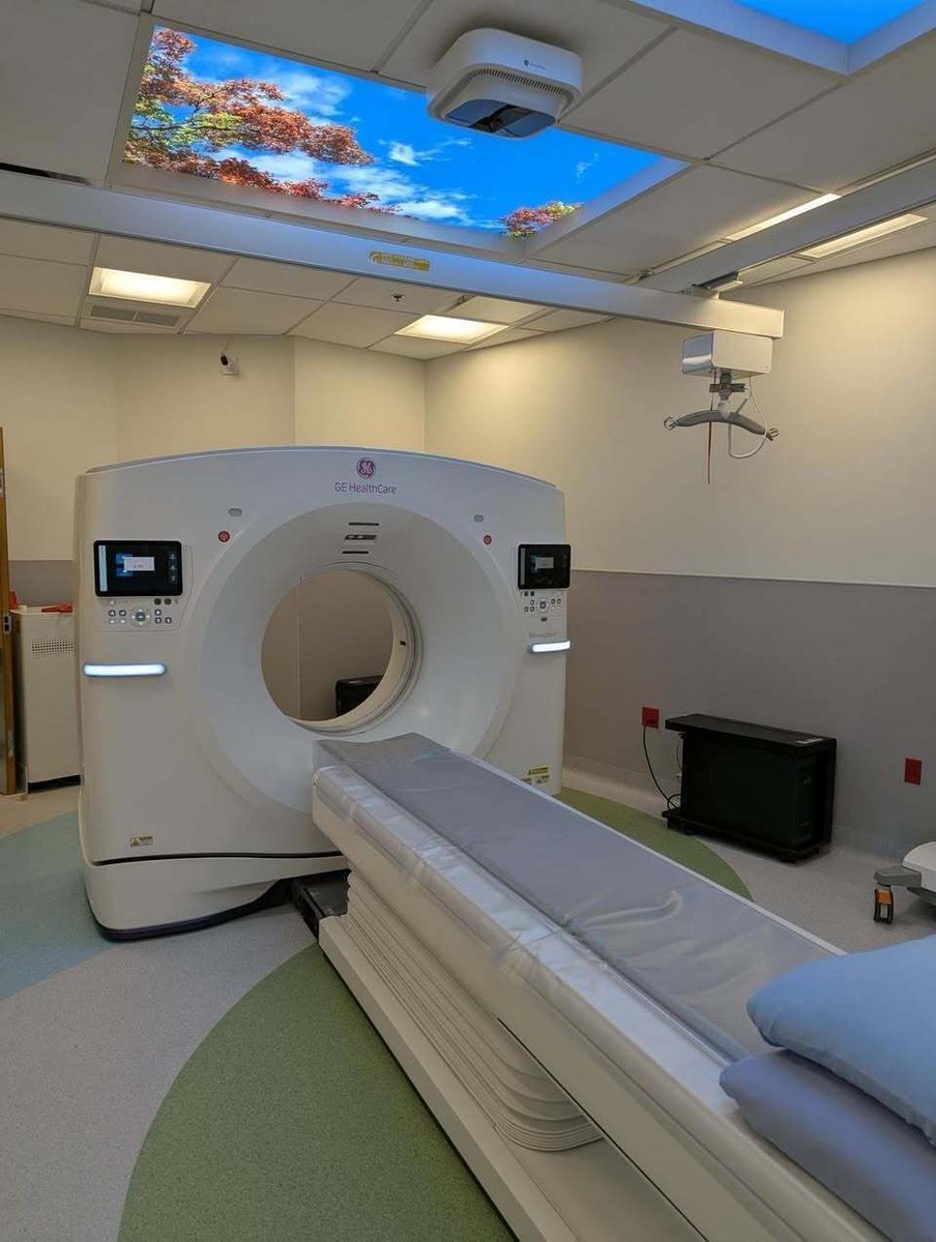
- LNG Canada is among donors who have helped Kitimat General Hospital acquire new CT scanner (photo above): https://bit.ly/4sMuOW8 Earlier, LNG Canada helped fund an electrocardiogram (ECG) machine at the hospital: https://bit.ly/41eTr1B. How to apply for LNG Canada community funding: https://bit.ly/3OmCKOS
- The Cedar LNG project led by the Haisla Nation has, through its Community Investment Program, contributed over $500,000 to health, education, culture, and community resilience across northwestern BC. For example, it has helped the Ksyen Regional Hospital in Terrace and its Tier 3 Neonatal Intensive Care Unit (NICU) and Special Care Nursery: https://bit.ly/47Gb4em. How to apply: https://bit.ly/4mdGJtR
- Woodfibre LNG has provided funding to more than 200 local non-profit organizations in sports and recreation, education and training, health and wellness, arts and culture, marine safety, and local search and rescue: https://bit.ly/4bQwB6D. And it will add to its radio towers a separate antenna to extend radio coverage for Squamish Fire and Rescue: https://bit.ly/3PQSASm
- FortisBC (Tilbury LNG) also has a community investment program: https://bit.ly/482iYz5
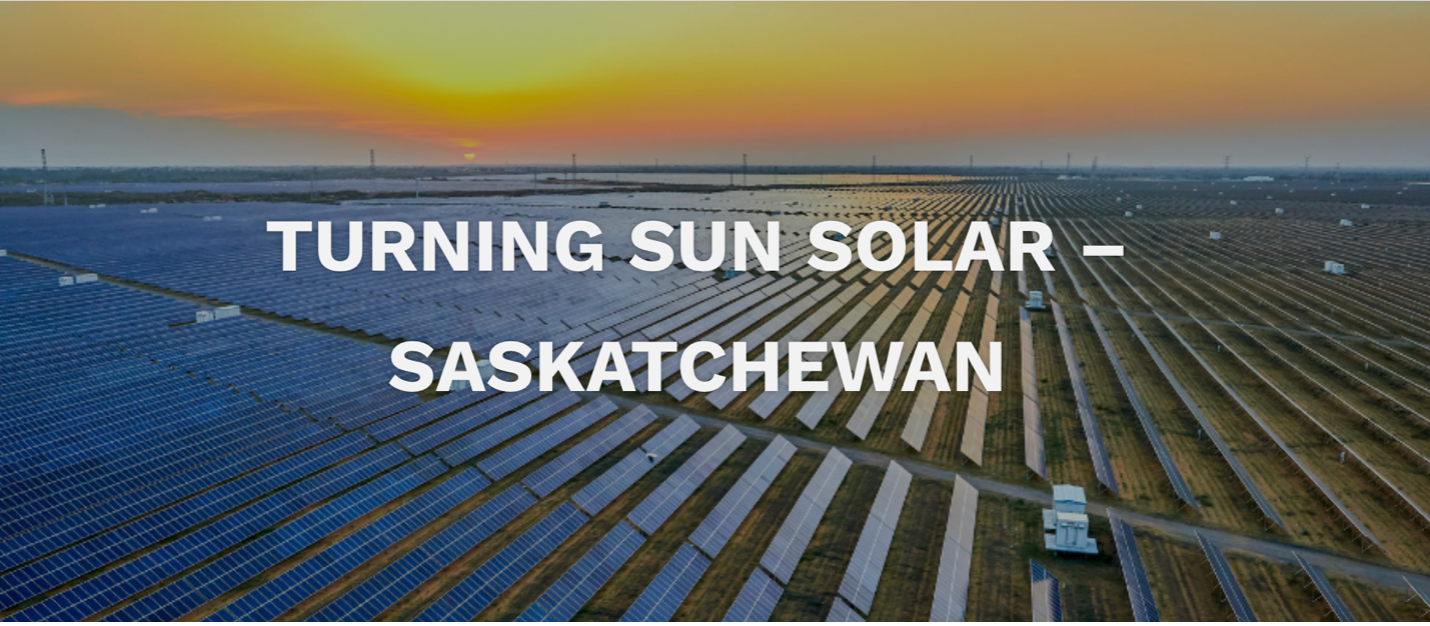
- Construction begins on Turning Sun solar facility in Saskatchewan. Ocean Man First Nation is a partner: https://bit.ly/4m3m5MI
- Work starts on $3-billion wind farm northeast of Quebec City, with a “respectful partnership process” for Indigenous communities: https://bit.ly/48tRPF7
- Lennox Island First Nation is working with Maritime Electric on a proposed solar and battery-storage project to provide renewable energy for western Prince Edward Island: https://bit.ly/4tyDIH0
- Throughout Saskatchewan, Indigenous communities are pursuing clean-energy projects, with help from the Saskatchewan Indigenous Clean Energy Initiative: https://bit.ly/4bRh2eZ
- Indigenous‑led renewable energy projects offer benefits that reach far beyond reducing carbon emissions: https://bit.ly/3PSD1tl
Also in the news
- Early work will start in summer on BC Hydro’s North Coast Transmission Line, which will feed LNG and other projects, and communities. Powerline construction is to start in 2027. Target date for completion is mid-2032. https://bit.ly/4e5Bo5x
- The relationship between industry and First Nations is the cornerstone of BC’s new energy landscape.— Adrian Dix, BC minister of energy and climate solutions: https://bit.ly/4s8Nv5a
- The Montney gas play in BC and Alberta is driving Canada’s natural-gas growth: https://bit.ly/4m5pXgm. See also https://bit.ly/4s82pJ4
- The federal energy minister says Woodfibre LNG hopes to double and triple its output. It now is licensed to export 2.1 million tonnes per year. https://bit.ly/4sd6UCe
- Nova Scotia offers cost-sharing for exploration of onshore natural gas: https://bit.ly/4bOdNFc See also: https://bit.ly/3Qkz0hq
Events
- Economic Reconciliation Summit, April 14, Ottawa: https://bit.ly/4sBJSFA
- Canada Powered by Women, Powering Prosperity event: Energy and economy shaping Canada’s future, April 15, Vancouver: https://ow.ly/RonI50Y1PA9 Alliance CEO Karen Ogen is on a panel.
- Resource Works lunch event: Ground Truth: The Resource Economy for Municipal Decision Makers in 2026, April 15, Vancouver: https://bit.ly/41KfvBs
- Enbridge National Coalition of Chiefs, Clean Energy Summit, April 20-22, Calgary: https://ow.ly/ZkQ250Y5JO5
- Clean Energy BC, Women in Clean Energy conference, April 23, Vancouver: https://bit.ly/4rgfEXJ
- Nation2Nation Women’s Gathering, April 23-24, Prince George: https://ow.ly/sBxu50XsTSZ Alliance CEO Karen Ogen will be on a panel on April 24.
- First Nations Major Projects Coalition, 9th annual conference, April 29-May 1, Toronto: https://ow.ly/baN350Xz7gU and https://bit.ly/4t59viS
- Greater Vancouver Board of Trade: Reconciliation in Action: Annual address with Musqueam, Squamish and Tsleil-Waututh Nations, May 1, https://bit.ly/47QiuvC
- ERQ Energy Law Forum, May 4-5, Montreal: https://bit.ly/4v39oG1
- Public Policy Forum’s Canada Growth Summit, May 7, Toronto: https://ow.ly/ikCs50WGyYr
- British Columbia Economic Development Association, 2026 BC Economic Summit, May 11-14, Penticton: https://bit.ly/4uZvhWp
- Indigenous Forward Summit (West), May 13-14, Calgary: https://ow.ly/pgku50XrhQ7
- Indigenous Forward Summit (East), May 13-14, Orillia ON: https://ow.ly/Wpxk50Y5Kai
- Native American Mining and Energy Sovereignty Symposium, May 19-20 at Albuquerque NM. Alliance CEO Karen Ogen will be on a panel on LNG. https://bit.ly/4bCjvcQ
- Clean Energy Association of BC, Generate 2026 conference, May 25-26, Vancouver. Alliance CEO Karen Ogen will be a panellist: https://bit.ly/4mcJVWj
- Indigenous Resource Opportunities Conference, June 3-5, Nanaimo: https://bit.ly/4asjsQE
- Global Energy Show Canada, June 9-11, Calgary: https://ow.ly/NnlW50XffWC Alliance CEO Karen Ogen is among speakers.
- Energy Influencers Conference (at the Global Energy Show above): https://bit.ly/4aRfBvd
- International Pipeline Conference and Expo, Sept. 21-25, Calgary: https://ow.ly/NmxS50Y5Kag
Know someone who might be interested in our newsletter? Please let them know that they can subscribe here, for free. You’ll also find us on LinkedIn and X.
(Posted here 11 April 2026)
