We see it often: natural-resource projects, including LNG, that speak happily of the training and jobs that will go to Indigenous people and communities.
And they do.
But in practice those jobs are far too often modest ones: janitor, security guard, caretaker, junior technician, technical assistant, basic labourer.
They are, we regret, simply “jobs” and not “careers.”
And what people in those Indigenous communities need for themselves and their families are careers, not just low-level jobs.
They need long-term careers that offer good wages and benefits, and the prospect of advancement and real and sustainable long-term contribution to their community. And careers that are as open to women as to men.
The last time we looked at openings in LNG and natural-gas development in BC there were no opportunities posted for unskilled/untrained people. And there were notably few for introductory oil-and-gas jobs in Alberta.
The barriers to “careers” include the challenge of a First Nations worker getting the initial training or certification needed to start in a career.
There are programs aimed at helping Indigenous people acquire training and certification — but there are often key barriers that get in the way.
Cost of the training, in dollars and time, can be an issue. Red Seal training and certification for, say, an electrician means a four-year program, including 6,000 workplace hours and 1,200 in-school hours of training. Fees for training as a heavy equipment operator can run as much as $17,000.
Location of the training can be another issue. We see training programs offered in several communities in northern BC, but few offer full Red Seal trades training.
The International Union of Operating Engineers, for one, offers a number of strong programs at its training centre in Maple Ridge, 45 km east of Vancouver.
But how many First Nations people can leave home and family, move to the Maple Ridge area for a training program, and support themselves for weeks or months?
The federally funded Indigenous Skills and Employment Training (ISET) Program has a number of locations in Canada “to help Indigenous people improve their skills and find employment.” And limited financial assistance may be available.
In BC the Skilled Trades BC program and the Prince George Nechako Aboriginal Employment & Training Association (among others) can help Indigenous citizens prepare for major trades training. The Women Building Futures program offers similar programs in Alberta and Ontario.
But these are introductory programs that do not offer instant access to well-paying “careers.”
And we have seen many young First Nations people struggling with the following issue: “If I go into certified training or an apprenticeship, my income will be low for a long time. I would be better off, financially, if I just got into a labouring job.”
Another barrier in the natural-resource field is the way many sub-contractors on resource projects come from another region, and bring their own employees with them. We certainly saw this in some LNG and pipeline work in BC.
On top of all this, there are many barriers to employment for women in the LNG, natural gas, and pipeline sectors. Not only may they have to move to another community for training, mothers also face a lack of the daycare they need for their children.
The major natural-resource developers are publicly committed to equality, inclusion, opportunities for women, and hiring women. And some do indeed offer programs to help and support women as employees.
But we still hear complaints that some contractors and sub-contractors don’t get the message — or don’t know how to implement and enforce it.
Today, notes Canada Action, “hundreds of First Nations have benefit agreements, mutual partnerships, and ownership stakes in oil and gas, mining, forestry, aquaculture and other resource projects on their lands.
“As a result, the natural-resources sector is Canada’s predominant industry for creating opportunities for Indigenous communities to generate own-source revenues, for Indigenous entrepreneurs to grow their businesses, for Indigenous workers to make a good living, and for Indigenous families to stay in their communities.”
We at the First Nations Natural Gas Alliance are encouraged that Indigenous employment in Canadian natural resources has been growing. The Indigenous population in Canada is put at some 5% of the total, and we’re told Indigenous employees hold 11% of the jobs in mining, and some 7% in oil and gas.
But we can’t determine how many of those positions are in “careers” as opposed to “jobs.”
Hats off to those current and coming natural gas, LNG and pipeline projects in BC that have made efforts to provide employment and/or training to First Nation citizens. And to those developers who purchased billions of dollars in goods and services from Indigenous-owned suppliers.
Now there’s talk of more potential LNG projects, and more new development in such sectors as oil, mining, critical metals, forestry, hydro-electricity, other forms of power generation, renewable energy, and other areas.
All those, too, should address how to help Indigenous people secure “careers” — and not just limited and basic “jobs” — in all those sectors.
Over to government and industry to develop better programs to recruit and train Indigenous workers.
After all, such programs and opportunities could be a heavy factor when a First Nation or a Métis or Inuit community is deciding whether to approve or to fight a new project proposal.
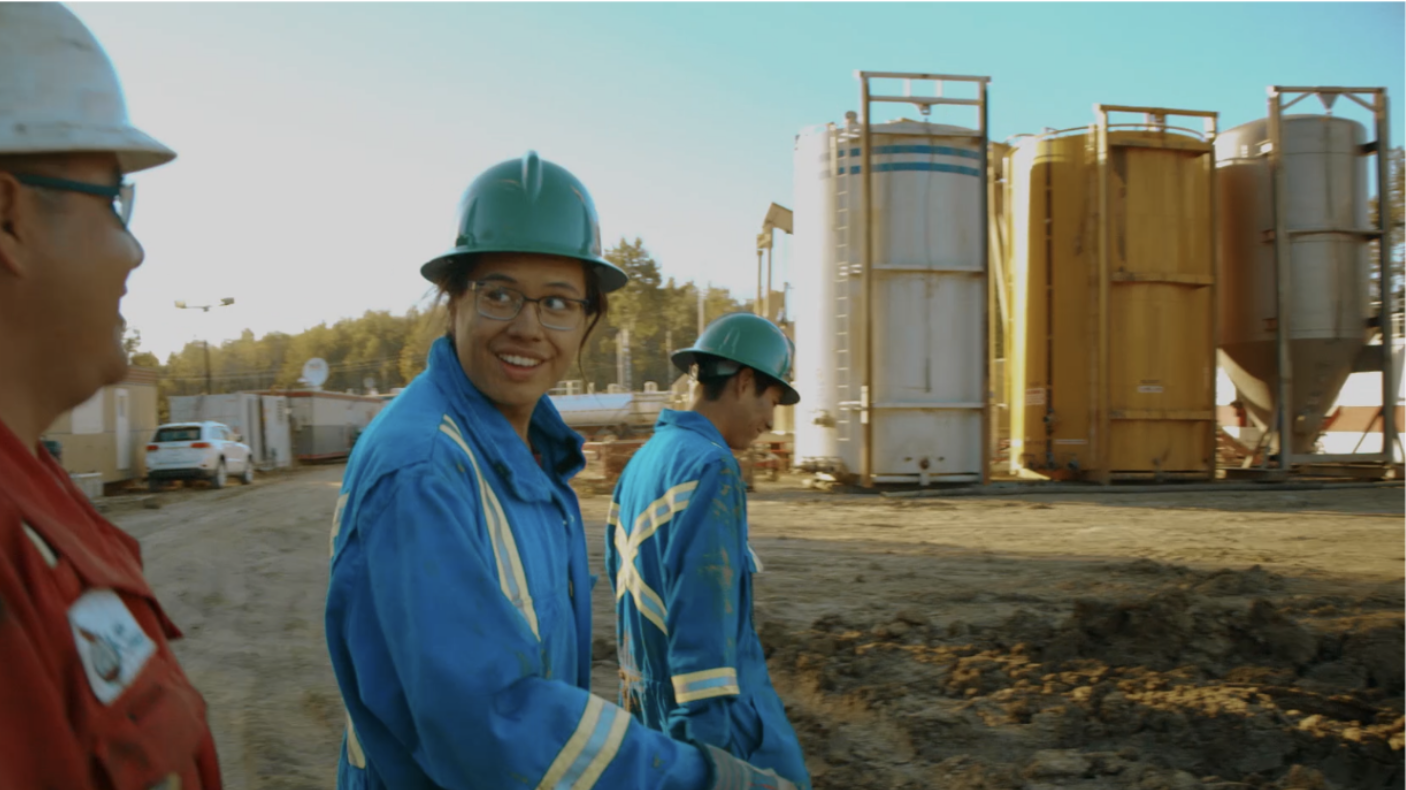
(Picture from Canada Action)
Posted here 23 December 2025
