Alliance advisor David Keane brings more than four decades of global energy experience to Canada’s LNG conversation, including over 25 years working directly in liquefied natural gas development. He previously served as president of the BC LNG Alliance and Woodfibre LNG, and most recently led policy and corporate affairs at NextDecade Corporation, developer of the Rio Grande LNG project in Texas.
The following reflects Keane’s remarks to recent meetings of the First Nations Natural Gas Alliance:
Global demand is growing – and LNG matters
Keane believes global demand for natural gas will continue to rise sharply, driven by population growth, economic development, and the rapid expansion of energy-intensive technologies such as artificial intelligence.
“By 2030, global LNG demand could approach 900 million tonnes annually, up from roughly 700 million tonnes today,” Keane said. “You simply can’t power large AI data centres or modern economies on renewables alone.
“When the sun isn’t shining and the wind isn’t blowing, natural gas provides the reliability needed to balance the system.”
Despite this demand outlook, Keane noted that LNG projects remain among the most difficult infrastructure developments in the world. They require billions of dollars in capital, long development timelines, and extensive regulatory approvals, limiting how many projects can move forward globally at any given time.
Canada’s opportunity – and its challenge
Canada has the resource base, geography, and clean electricity needed to become a leading LNG exporter. But Keane cautioned that Canada still carries a reputation as a difficult place to build major projects.
“There is growing optimism around federal and provincial alignment on infrastructure, but windows of opportunity don’t stay open forever,” he said.
“Canada has to be ready to move when capital is available.”
He also highlighted a key tension facing developers: buyers increasingly demand low-carbon LNG, yet remain reluctant to pay higher prices for emissions-reduction technologies such as carbon capture.
“Customers want clean projects, but today, they don’t want to pay extra for them. That’s a challenge the industry, governments, and financial institutions will need to solve together.”
First Nations partnership is the differentiator
Keane emphasized that Indigenous partnership is no longer optional, it is central to project success.
“There is now a measurable social-license premium,” he said. “Projects without strong Indigenous alignment struggle to secure financing. Projects with it move faster, face less opposition, and perform better over the long term.”
He pointed to growing First Nations support across proposed LNG projects in British Columbia as a major competitive advantage for Canada.
“There is a real opportunity for First Nations to participate as partners, owners, and leaders in LNG development,” Keane said. “That changes everything.”
He also called for stronger federal coordination, suggesting that Canada’s Major Projects Office should function as a true one-stop shop, helping align governments, proponents, and Indigenous Nations while ensuring First Nations engagement is properly resourced and supported.
“When Indigenous Nations choose equity ownership, governance roles, or Indigenous-led development models, federal processes must recognize and enable those approaches.”
Bring global buyers to First Nations communities
Keane also supports inviting international LNG buyers directly to Canada to meet with First Nations, reversing the traditional trade-mission model.
“There is far more credibility when buyers hear directly from Indigenous leaders than when governments speak on their behalf,” he said.
“Hosting overseas customers in First Nations communities is incredibly powerful. It builds trust, changes perceptions, and strengthens Canada’s value proposition.”
ESG still matters globally
While environmental, social, and governance considerations have become politically charged in parts of the United States, Keane stressed that ESG remains critically important to buyers in Europe and Asia.
“They care about emissions. They care about governance. And they care about Indigenous partnership,” he said. “Strong First Nations support is often the deciding factor in whether projects attract international capital.”
Keane believes Canada could realistically develop up to 100 million tonnes per annum of LNG export capacity over time – supported by abundant gas resources and Indigenous-led project models.
But he warned that delays could cost Canada its moment.
“We can’t wait ten years to permit these projects,” he said. “This is about four- to five-year timelines, access to capital, and readiness to act.”
A moment to lead
Keane closed with a call to action for First Nations leadership.
“The opportunity is real, but it won’t last forever,” he said. “First Nations have a central role to play in shaping Canada’s LNG future.
“Now is the time to be bold, to lead, and to build projects that deliver economic opportunity, environmental responsibility, and lasting community benefit.”
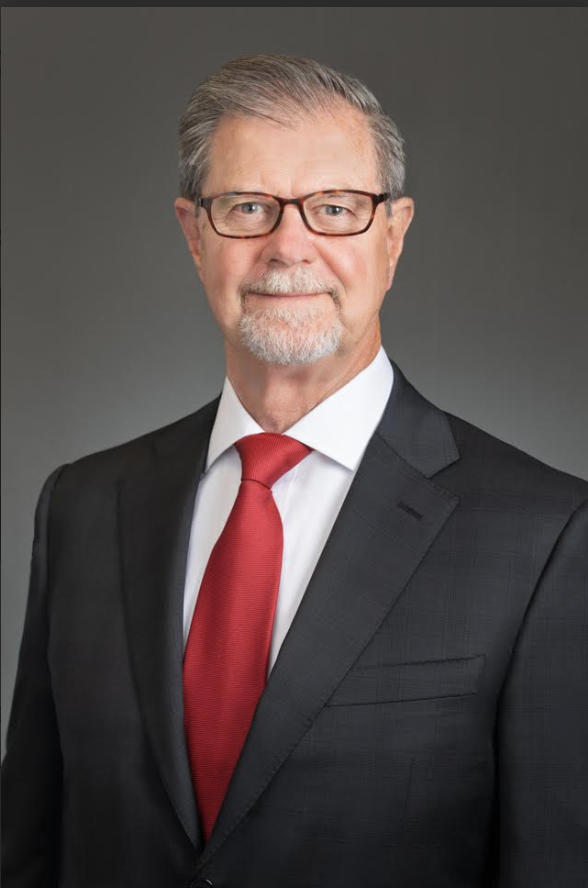
David Keane
(Posted here 08 February 2026)
