By KAREN OGEN, CEO, First Nations Natural Gas Alliance
Three years ago, the world’s premier liquefied natural gas conference came to Canada – Vancouver, in fact – for the first time. It was an opportunity for BC to tell the world about our fledgling LNG opportunity.
At that point three years ago, LNG Canada wasn’t yet shipping LNG cargoes from Kitimat, and other LNG projects weren’t very far along. There was still an air of disbelief about Canada’s LNG prospects.
In spite of this, we advanced the idea that Canadian LNG is Indigenous LNG. We felt strongly that Canada’s LNG was an Indigenous product with First Nations partnering in the upstream, midstream, and downstream and ensuring our values were part of how the industry evolved.
Now, three years later, Prime Minister Mark Carney and Premier David Eby are championing our LNG opportunity as part of the Canada-British Columbia Cooperative Prosperity Agreement to urgently diversify our markets and lessen our reliance on the United States.
In fact, many First Nations leaders in BC may ask: “What took them so long?”
First Nations are often scapegoated as the sand in the gears of economic progress. Much of the political debate around Indigenous issues focuses on the potential impact of court decisions and what British Columbians can’t do.
But in fact First Nations have been on the vanguard of energy development and have shown an eagerness to share their territories and grow the economy, for everyone.
The track record is strong when it comes to natural-gas projects that have been advanced in partnership with First Nations, such as the Coastal GasLink natural-gas pipeline and the LNG Canada terminal, Woodfibre LNG terminal, Tilbury LNG projects, First Nations majority-owned Cedar LNG, First Nations ownership of 12.5% of Enbridge’s Westcoast pipeline, and the Nisga’a-led Ksi Lisims project and its PRGT pipeline.
By our estimate, at least 60 First Nations have an agreement or ownership interest in natural gas. It’s historic and it’s happening, with consent.
And now LNG Canada is offering First Nations an opportunity to invest up to $1 billion to acquire majority equity ownership interest in a huge LNG storage tank that would be built as part of LNG Canada’s proposed Phase 2 expansion.
That’s what Indigenous LNG looks like. Ownership changes everything. Jobs, training, procurement and community benefits matter, and they always will. Equity means a seat at the table for generations, revenue that funds our schools, our elders and our languages, and a say in the decisions that affect our lands and waters.
LNG and natural-gas developers are obliged to put in heavy work to listen to and resolve concerns. And when First Nations are properly consulted, and consent, we are good partners. We are local, we support local businesses, and we will be with the land forever. If there is one group that you can safely say is staying put, it’s First Nations, wherever they are.
So, it’s good news that the federal and provincial governments are acting with more urgency.
Let’s remember we got results by partnering and working together. We need to keep on the right track and make sure the fast track does not lead to the wrong track. The right track is proper consultation, consent, and participation as owners.
That includes helping First Nations gain capacity, training centres in-region to take advantage of job opportunities, procurement policies that spur Indigenous enterprises, and financing support for First Nations equity. We have come a long way on these issues, but we have more road to travel yet.
And let’s not get distracted by hot-button political debates that whip up fears about “what ifs”, when our work is front of us right now to build Canada’s economy and we have all the tools in our power to do so.
Sand in the gears? Hardly. We have traded amongst each other for time immemorial. If Canada and BC apply some oolichan grease to their own gears, we can really get moving.
Three years after that LNG conference in 2023, the 100th LNG cargo left LNG Canada in Kitimat and was delivered to Taiwan.
Each cargo represents not only economic return for BC and Canada, but it represents the support and partnership of First Nations. That’s why Canadian LNG is Indigenous LNG.
One of Mitsubishi’s LNG carriers, the Diamond Gas Crystal, is named for former Haisla Chief Crystal Smith, bearing not only her name but the imprint of all Indigenous communities that participate in the Canada’s LNG opportunity.
Canadian LNG is indeed Indigenous LNG. . . .
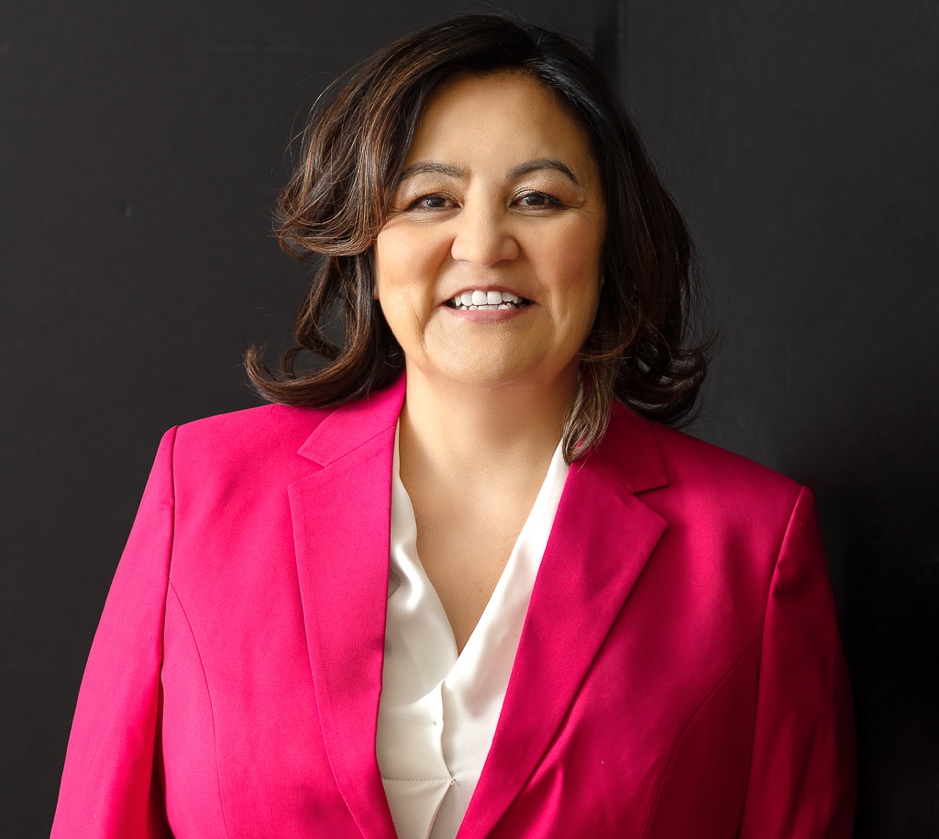
Karen Ogen, CEO, First Nations Natural Gas Alliance
