For much of the past decade, discussions about Canada’s potential role in global LNG markets have focused on familiar advantages: abundant natural gas resource, proximity to Asian markets, a highly skilled workforce, the colder climate increases operating efficiency, and the opportunity to produce LNG with a comparatively low emissions profile.
Those advantages remain important.
But I believe Canada has another comparative advantage that could become equally significant: the opportunity to develop major energy projects through genuine partnership with First Nations communities.
That represents an important evolution in how we think about resource development in Canada. For many years, First Nations participation in major projects was discussed primarily in terms of consultation, accommodation, and impact benefit agreements. These remain important, but the conversation is changing.
Increasingly, First Nations are looking beyond simply receiving benefits from projects developed within or near their traditional territories. They are seeking meaningful participation in the economic opportunities those projects create, through ownership, equity investment, procurement, employment, training, and long-term business development.
And we are increasingly seeing projects where First Nations are not simply bystanders. They are partners, proponents, and owners. That distinction matters. When First Nations communities have a meaningful economic interest in a project, the relationship between project development and reconciliation begins to change.
Instead of asking only how communities will be affected by development, we can begin by asking a more important question:
For much of the past decade, discussions about Canada’s potential role in global LNG markets have focused on familiar advantages: abundant natural gas resource, proximity to Asian markets, a highly skilled workforce, the colder climate increases operating efficiency, and the opportunity to produce LNG with a comparatively low emissions profile.
Those advantages remain important.
But I believe Canada has another comparative advantage that could become equally significant: the opportunity to develop major energy projects through genuine partnership with First Nations communities.
That represents an important evolution in how we think about resource development in Canada. For many years, First Nations participation in major projects was discussed primarily in terms of consultation, accommodation, and impact benefit agreements. These remain important, but the conversation is changing.
Increasingly, First Nations are looking beyond simply receiving benefits from projects developed within or near their traditional territories. They are seeking meaningful participation in the economic opportunities those projects create, through ownership, equity investment, procurement, employment, training, and long-term business development.
And we are increasingly seeing projects where First Nations are not simply bystanders. They are partners, proponents, and owners. That distinction matters. When First Nations communities have a meaningful economic interest in a project, the relationship between project development and reconciliation begins to change. Instead of asking only how communities will be affected by development, we can begin by asking a more important question: How can communities participate in, and help shape, the prosperity that development creates?
Canada’s emerging LNG sector provides an important opportunity to put that principle into practice. But equity ownership alone is not enough. Meaningful partnership must extend throughout the life of a project.
It means creating opportunities for Indigenous businesses to compete for contracts. It means connecting workforce training directly to real jobs and long-term careers. It means engaging communities early and transparently rather than simply meeting minimum consultation requirements.
Most importantly it requires TRUST.
Trust cannot be created through a regulatory process or written into a project schedule. It is built over time through relationships, transparency, respect, and a willingness to actively listen, particularly when difficult issues arise.
After five decades working in the energy industry, I have come to believe that the projects with the strongest foundations are those where relationships are treated with the same seriousness as engineering, financing, legal, and construction.
That lesson is particularly relevant today. Canada has another opportunity to become an important long-term supplier of LNG to global markets. If we approach this next generation of development differently, we can demonstrate that major energy projects, Indigenous economic reconciliation, and national prosperity do not have competing objectives: They can reinforce one another.
Other countries have natural gas. Other countries can build LNG facilities. But Canada can demonstrate a model of major-project development in which Indigenous peoples participate not simply as communities affected by development, but as owners, partners, and beneficiaries of the economic opportunity these projects create.
If we get that right, Indigenous partnership will not simply be an important feature of Canadian LNG.
It could become one of Canada’s greatest competitive advantages.
Canada’s emerging LNG sector provides an important opportunity to put that principle into practice. But equity ownership alone is not enough. Meaningful partnership must extend throughout the life of a project. It means creating opportunities for Indigenous businesses to compete for contracts. It means connecting workforce training directly to real jobs and long-term careers. It means engaging communities early and transparently rather than simply meeting minimum consultation requirements. Most importantly it requires TRUST.
Trust cannot be created through a regulatory process or written into a project schedule. It is built over time through relationships, transparency, respect, and a willingness to actively listen, particularly when difficult issues arise.
After five decades working in the energy industry, I have come to believe that the projects with the strongest foundations are those where relationships are treated with the same seriousness as engineering, financing, legal, and construction.
That lesson is particularly relevant today. Canada has another opportunity to become an important long-term supplier of LNG to global markets. If we approach this next generation of development differently, we can demonstrate that major energy projects, Indigenous economic reconciliation, and national prosperity do not have competing objectives: They can reinforce one another.
Other countries have natural gas. Other countries can build LNG facilities. But Canada can demonstrate a model of major-project development in which Indigenous peoples participate not simply as communities affected by development, but as owners, partners, and beneficiaries of the economic opportunity these projects create.
If we get that right, Indigenous partnership will not simply be an important feature of Canadian LNG.
It could become one of Canada’s greatest competitive advantages.
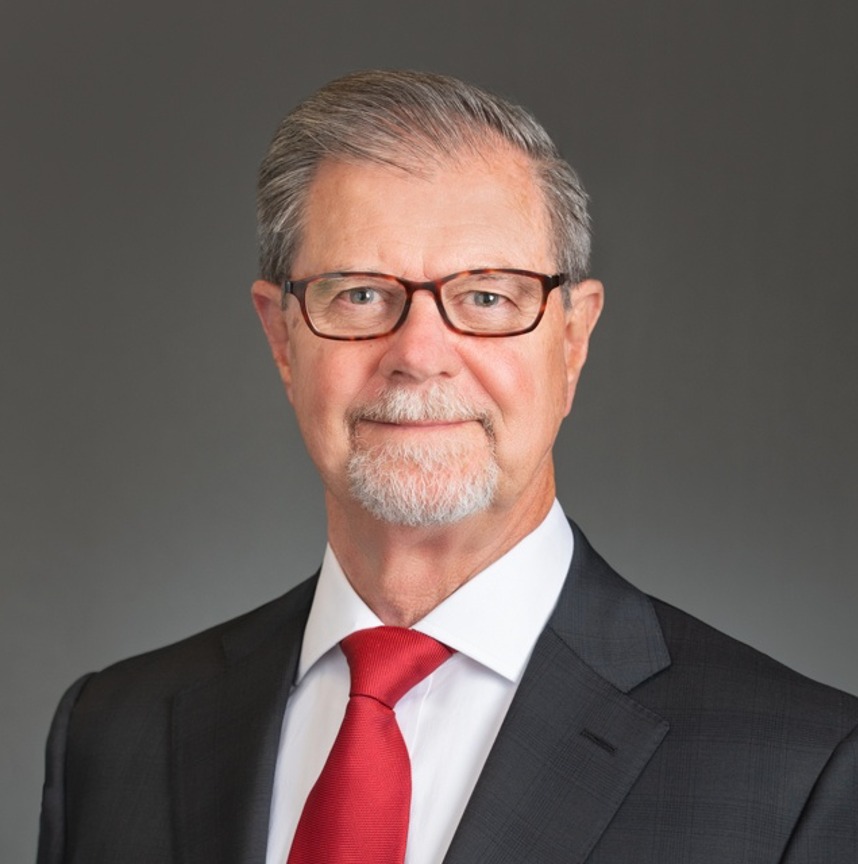
David Keane is a special advisor to our Alliance. His five decades of global energy experience include serving as president of the BC LNG Alliance and of Woodfibre LNG. His article above first appeared on his LinkedIn page at https://bit.ly/4cD7HYi
(Posted here 12 September 2026,)
