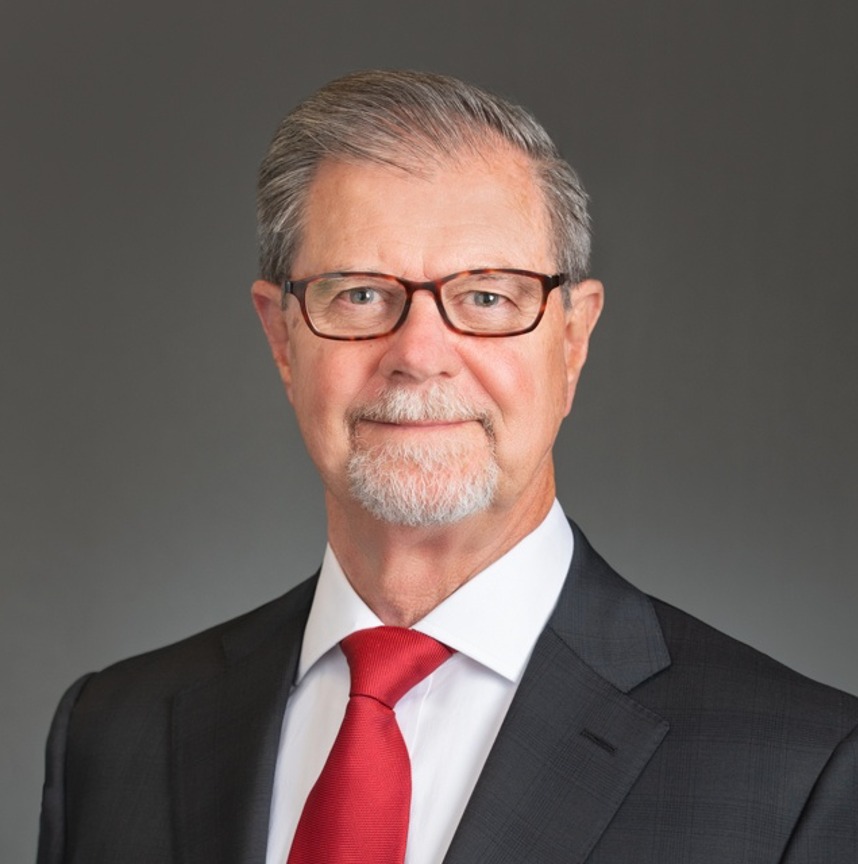
By David Keane, veteran LNG executive and special advisor to our Alliance
Something significant is happening in Canada’s energy and resource sectors, and I believe it deserves considerably more attention than it has received.
Indigenous Energy Monitor’s State of Indigenous Equity Ownership 2026 report that was released in April identified 546 Indigenous-owned energy and resource projects across Canada, representing approximately $283 billion in disclosed project value.
Within that much larger portfolio, the pace at which Indigenous owned projects are entering operation has accelerated dramatically. In 2017, just 10 projects entered operation. By 2025, that number had increased to 39, and the Indigenous Energy Monitor (IEM) expects at least another 47 projects to enter operation in 2026.
That means at least 86 Indigenous-owned projects are expected to have entered operation during 2025 and 2026 alone. If the 2026 expectation is realized, the annual number of projects entering operation will have increased by approximately 370% from 2017 to 2026.
Those numbers tell an important story. But I believe the more important story is what they represent: A fundamental change in the relationship between First Nations and major project development in Canada.
For much of my career in the energy industry, Indigenous participation in major projects was discussed primarily in terms of consultation, accommodation, impact benefit agreements, employment, training and procurement. All of these remain important, but increasingly, another word has become part of the conversation: Ownership.
A remarkable transformation
Indigenous equity ownership is becoming an increasingly important feature of Canada’s energy and resource economy. What began largely with smaller renewable-energy and utility investments is expanding into transmission, pipelines, LNG and other major projects.
That evolution matters because equity ownership fundamentally changes the relationship between First Nations and a project. A Nation is no longer participating only through employment, procurement opportunities or negotiated benefits. As an equity owner, First Nations have a direct economic interest in the long-term performance of an asset.
Successful investments can create long-term revenue streams that may support community priorities, strengthen financial capacity and provide capital that can be reinvested in future opportunities. Perhaps most importantly, ownership can create something that short-term benefits cannot: intergenerational economic participation.
From participant to partner
For many years, industry talked about gaining Indigenous support for projects. Increasingly, we are seeing projects in which First Nations are participating not simply as affected communities but as commercial partners, investors and, in some cases, project leaders.
That does not mean every First Nation will want an ownership interest in a project. Nor should equity ownership ever be confused with consultation, accommodation or consent. Those are separate issues.
However, where a Nation supports a project and determines that equity participation is consistent with its own economic and community objectives, ownership creates a fundamentally different opportunity. It moves the relationship beyond simply sharing some of the benefits generated by a project toward sharing in the underlying asset itself.
Capital may be the defining challenge
There is, however, an important challenge ahead: The Indigenous equity market that has developed over the past decade was largely built around a different class of project from many of the projects Canada is now contemplating.
Indigenous Energy Monitor reports that approximately 86% of the Indigenous ownership ecosystem developed to date has been concentrated in power and utilities, with a median project value of approximately $175 million. The next generation of projects may be very different.
LNG facilities, major transmission systems, pipelines, critical mineral developments and other large infrastructure projects can require investment measured not in hundreds of millions of dollars but in billions or tens of billions.
That creates an obvious question – how can First Nations obtain the capital required to take meaningful equity positions in projects of that scale while appropriately managing the financial risk to their communities?
This is why the rapidly developing Indigenous loan guarantee market is so important to understand.
The Federal Indigenous Loan Guarantee Program now has $10 billion in loan-guarantee authority and has been expanded beyond energy and natural resources to major projects across most sectors of the economy.
British Columbia has also launched its First Nations Equity Financing Program, with a total program capacity of $1.0 billion. The BC program can provide individual loan guarantees ranging from $5 million to $400 million for eligible investments.
These are significant developments because the challenge is increasingly one of scale. For a First Nation, even a relatively modest percentage of ownership interest in a $10 billion or billion project can require hundreds of millions of dollars in financing costs. The commercial question therefore extends well beyond simply making capital available.
The investment still must make economic sense. Therefore, First Nations require the ability to conduct independent due diligence, understand project and commodity risk, evaluate expected returns, assess debt-service requirements and determine whether a proposed investment fits their own long-term objectives.
Loan guarantees can address an important financing barrier. But they do not remove the underlying investment risk. That distinction will become increasingly important as Indigenous ownership expands into larger and more complex projects.
The next phase of development
Recent West Coast LNG developments provide good examples of where this trend may be heading. In July 2026, LNG Canada and its joint venture partners announced an equity option agreement with MNT Investments LP, representing the economic development organizations of the Gitga’at, Gitxaala, Haisla, Kitselas and Kitsumkalum First Nations. The agreement provides MNT with the opportunity to invest up to $1 billion to acquire a majority interest in an entity that would own the planned LNG storage tank associated with LNG Canada’s proposed Phase 2 expansion.
For me that is significant. Five neighbouring First Nations are not simply being offered jobs, contracts or benefit agreements. They are being provided with an opportunity to become long-term owners of major infrastructure associated with one of Canada’s largest energy developments.
Ksi Lisims LNG provides another example of how the model is evolving. Ksi Lisims is being developed through a partnership involving the Nisga’a Nation, Rockies LNG and Western LNG on Nisga’a-owned treaty land in northwest British Columbia. The related Prince Rupert Gas Transmission project was also acquired by a joint venture involving the Nisga’a Nation and Western LNG.
These projects are different in structure, ownership and stage of development, and that is important. There does not need to be one model. Indigenous ownership could involve minority interest in a project, majority ownership of a specific infrastructure asset, ownership of a pipeline or transmission system, or First Nations participating directly as project proponents.
What does this mean for the next projects?
Canada is considering another generation of major energy and infrastructure projects. Some will involve LNG. Others will involve transmission systems, pipelines, critical minerals, carbon management and related infrastructure. Many will intersect with the territories and economic interest of First Nations.
The question, therefore, should not simply be: how Indigenous communities benefit from these projects? Increasingly, another question needs to be asked: where First Nations choose to participate commercially, how can they become owners?
The combination of growing First Nations financial capacity, government-backed financing and greater industry experience structuring these transactions could make the next decade very different from the last.
Conclusion
That is why I keep coming back to the numbers. Ten Indigenous projects entering operation in 2017, that number grew to 39 in 2025 and at least 47 expected to enter operations in 2026.
These numbers demonstrate how quickly the landscape has changed. First Nations equity ownership is no longer an experiment. It is becoming an established part of Canadian energy resource development.
The next challenge is whether the financing, governance and partnership structures developed over the past decade can evolve quickly enough to support Indigenous Nations participation in much larger projects.
Because the future of Canadian resource development will not simply be about projects developed near First nations communities. Increasingly, it will include projects developed with Indigenous Nations as owners, investors, proponents and long-term partners.
That may prove to be one of the most consequential changes in Canadian resource development in a generation.
(Reproduced with permission. This article first appeared on David Keane’s LinkedIn page here. We recommend that you regularly follow David’s LinkedIn page.